 Indonesia | English
 .png) Worldwide
Worldwide Singapore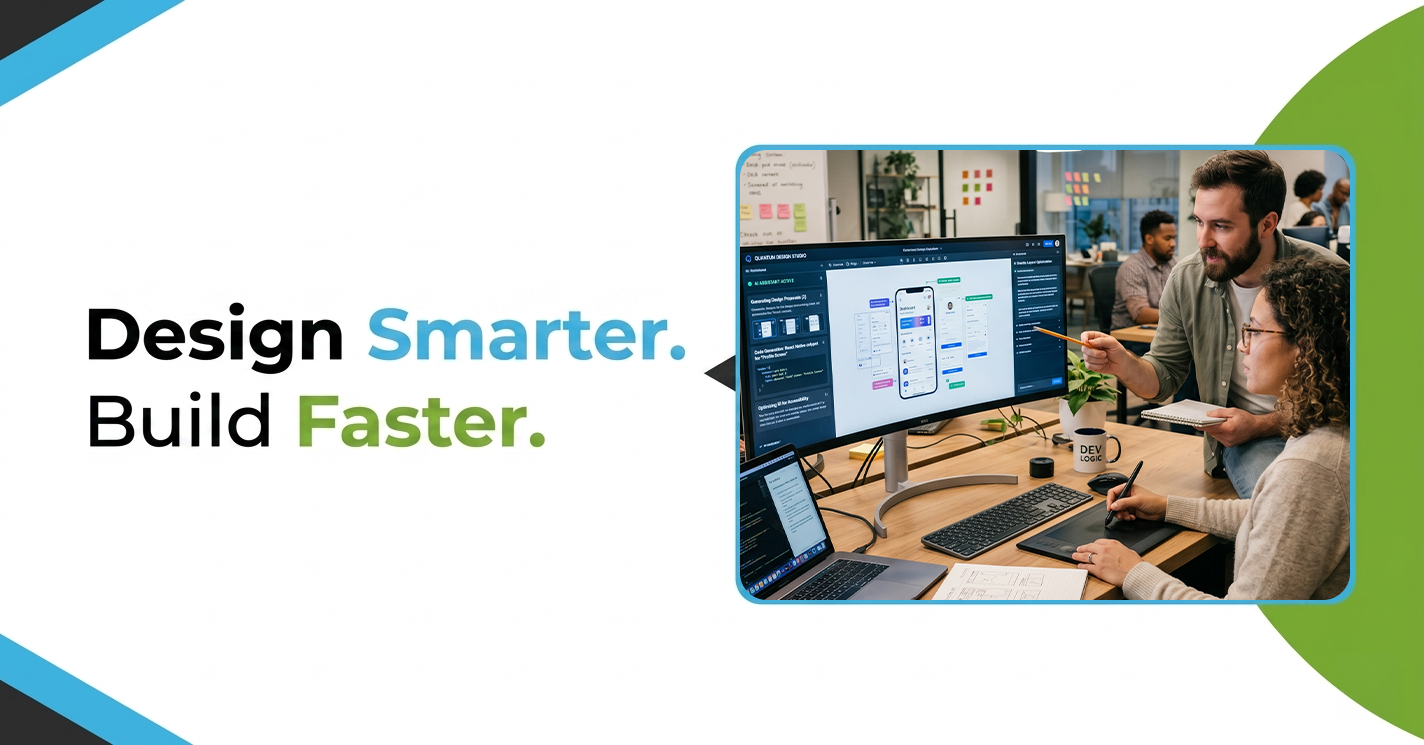
For years, software design followed a familiar pattern. Teams gathered requirements, created structured plans, wrote code, tested it, and released updates in cycles. While this approach brought consistency and control, it often struggled to keep up with rapidly changing user expectations and business needs.
Today, a new shift is underway. AI in software design is not just improving how software is built; it is fundamentally changing how it is designed from the very beginning. Instead of relying only on predefined logic and manual processes, organisations are now exploring how intelligent systems can influence design decisions, automate workflows, and enhance user experiences.
This shift is not about replacing developers. It is about expanding how teams think, design, and deliver software more adaptively and efficiently.
The Rise of AI in Software Development
AI as a daily coding partner
Developers now use AI-powered tools like GitHub Copilot and ChatGPT to generate code snippets, debug logic, and even suggest architectural improvements. These AI tools reduce manual effort and accelerate development cycles.
Beyond coding
AI is increasingly involved in testing, deployment, and maintenance. Automated bug detection, predictive analytics for system failures, and AI automation in monitoring are becoming standard practices.
Collaboration redefined
AI doesn’t replace developers; it augments them. Teams can focus on creative problem-solving while AI handles repetitive tasks.
From Static Design to Intelligent Design
Traditional software design is largely static. Teams define features, map user journeys, and build systems based on expected behaviours. However, real-world usage often evolves faster than these assumptions.
With AI, software design becomes more dynamic. Systems can learn from user interactions, identify patterns, and continuously improve over time using advanced machine learning models.
For example, instead of designing a fixed user interface, teams can now create adaptive experiences that respond to user preferences. This shift allows businesses to move from “designing once” to “designing continuously.”
This is where AI use cases become practical. From recommendation engines to predictive interfaces, software is no longer just built; it evolves.
Key Areas Where AI Impacts Software Design
1. Code Generation & Optimization
AI-driven tools can generate boilerplate code, optimize algorithms, and even refactor legacy systems. This approach reflects the growing shift toward AI-driven development, saving time and reducing human error.
2. Testing & Quality Assurance
Traditional testing is time-consuming. AI automates test case generation, identifies edge cases, and predicts potential vulnerabilities before they occur, strengthening the overall software development lifecycle.
3. User Experience (UX) Design
AI analyzes user behavior to suggest design improvements. For example, predictive models can recommend interface changes that enhance usability and engagement, often powered by generative AI capabilities.
4. Security & Risk Management
AI-powered systems detect anomalies in real time, flagging potential cyber threats. This proactive approach strengthens software resilience.
5. Project Management & Collaboration
AI tools streamline workflows by predicting project timelines, allocating resources efficiently, and reducing bottlenecks.
Benefits of AI-Driven Software Design
Speed: Faster development cycles mean quicker product launches.
Accuracy: Reduced human error through automated checks.
Creativity: Developers can focus on innovation while AI handles repetitive tasks.
Scalability: AI enables teams to manage larger, more complex projects with ease.
Challenges and Considerations
Ethical Concerns
Over-reliance on AI raises questions about accountability. If an AI-generated module introduces a flaw, who is responsible, the developer or the AI provider? Transparency and ethical frameworks are essential to ensure trust in AI-driven systems.
Skill Gaps
Developers must adapt to new tools and workflows. This requires continuous upskilling in areas like prompt engineering, model evaluation, and data handling. Companies that fail to invest in training risk falling behind.
Bias in AI Models
AI systems are only as good as the data they’re trained on. Poorly curated datasets can introduce biases, leading to unfair or discriminatory outcomes. Detecting and correcting bias requires diverse datasets and ethical oversight.
Real-World Applications of AI in Software Design
Healthcare Software: AI-driven diagnostic tools help design applications that predict patient outcomes and recommend treatments.
Finance: AI enhances fraud detection systems, ensuring secure and reliable financial applications.
E-commerce: Personalized recommendation engines powered by AI improve customer engagement and sales.
How Organisations Can Adapt
To fully benefit from this shift, organisations need to rethink how they approach software design by identifying meaningful opportunities where AI can improve user experience and efficiency. This includes building cross-functional teams, investing in training, and enabling teams to confidently work with new technologies. Most importantly, organisations must focus on continuous learning, as this transformation is not a one-time effort but an ongoing evolution.
Where Software Design Is Heading
Software design is no longer just about writing code or building features. It is about creating systems that can learn, adapt, and improve over time. As AI in software design continues to evolve, organisations that embrace this shift will move faster, respond better to user needs, and build more resilient digital products. Those who rely only on traditional approaches may find it harder to keep up in an increasingly competitive landscape.
The future belongs to teams that understand how to combine human creativity with intelligent systems to design software that is not only functional but truly adaptive. If your organization is looking to explore how AI can reshape your software design approach and deliver real business value, contact our team to start the conversation.