 Singapore | English
 .png) Worldwide
Worldwide Indonesia
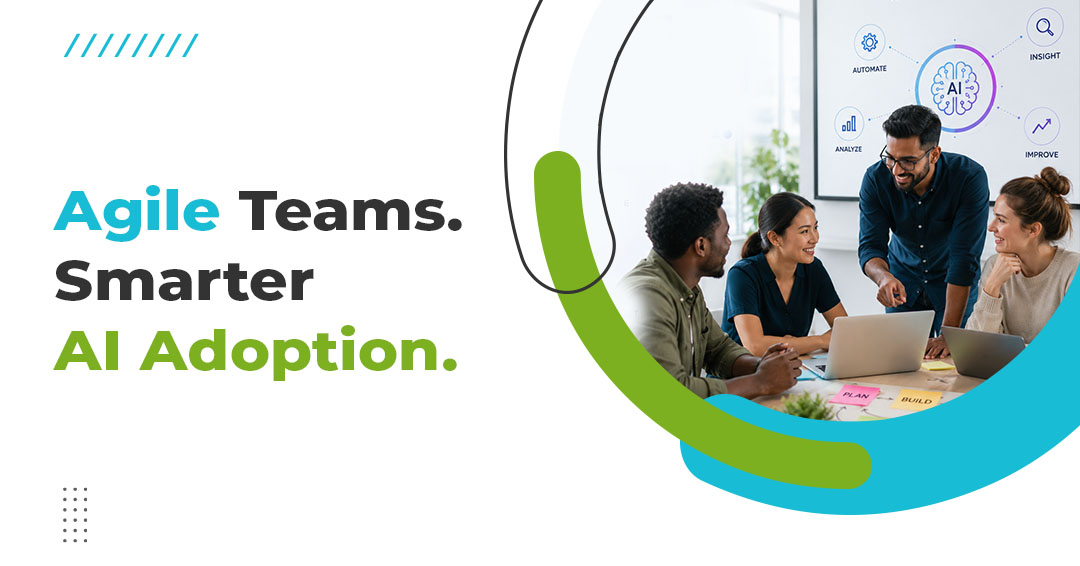
For years, organisations have relied on structured processes and long-term planning to manage software development and operations. Agile changed that by introducing flexibility, faster feedback cycles, and a stronger focus on collaboration. Today, as artificial intelligence becomes a key part of business strategy, organisations are once again at a turning point.
Building AI-ready organisations is not just about adopting new technologies. It requires a shift in how teams think, work, and adapt to change. Agile mindsets, which already promote adaptability and continuous improvement, provide a strong foundation for this transition. Instead of starting from scratch, organisations can build on their existing agile practices to successfully integrate AI into their workflows.
This shift is not about replacing agile methods. It is about extending them to support a more intelligent, data-driven way of working.
Understanding the Agile Mindset in the AI Era
Agile is more than a methodology. It is a mindset that encourages teams to respond quickly to change, experiment with new ideas, and continuously improve outcomes. These principles align closely with how AI systems are developed and deployed.
AI projects often involve uncertainty. Unlike traditional software, where outcomes are predictable, AI systems rely on data, experimentation, and iteration. This is where agile thinking becomes essential. Teams that embrace flexibility and learning are better equipped to handle the evolving nature of AI.
In this context, AI-driven development becomes more effective when supported by agile principles. Teams can test models, refine outputs, and improve performance through continuous feedback loops.
Why Agile Mindsets Are Critical for AI Adoption
One of the biggest challenges organisations face with AI adoption is not technology, but mindset. Many teams struggle because they try to apply rigid processes to a field that requires experimentation.
Agile mindsets help overcome this challenge by encouraging teams to:
- Accept uncertainty and learn from data
- Work in small iterations instead of large releases
- Collaborate across functions such as data science, engineering, and business
This approach allows organisations to explore real-world AI use cases without the risk of large-scale failure. Instead of waiting for perfect solutions, teams can build, test, and improve continuously.
From Structured Workflows to Intelligent Systems
Traditional workflows are designed for stability and predictability. However, AI introduces a level of dynamism that requires systems to learn and adapt over time.
Agile organisations are already familiar with iterative development, making it easier to transition into AI-powered environments. By integrating data-driven intelligence into their workflows, teams can move from static systems to adaptive ones that evolve based on user behavior and data patterns.
This shift is supported by modern AI tools, which enable faster experimentation, better collaboration, and improved decision-making across teams.
Key Areas Where Agile Supports AI-Ready Organisations
1. Faster Experimentation and Innovation
Agile encourages rapid prototyping and testing. This aligns perfectly with AI, where experimentation is key to success. Teams can quickly validate ideas and refine them based on results.
2. Continuous Feedback and Improvement
AI systems improve over time with data. Agile practices such as regular reviews and iterations ensure that feedback is consistently incorporated into development.
3. Cross-Functional Collaboration
AI projects require collaboration between multiple teams. Agile fosters communication and transparency, making it easier to align goals and share insights.
4. Scalable AI Solutions
Agile frameworks support gradual scaling. Organisations can start small with AI solutions and expand them as they gain confidence and insights.
5. Stronger Integration Across the Lifecycle
AI must be integrated across every stage of development, from initial design to deployment and ongoing monitoring. Agile ensures that this integration happens smoothly and continuously.
The Role of Culture in Becoming AI-Ready
Technology alone cannot create transformation. Organisational culture plays a crucial role in determining how successfully AI is adopted.
Agile cultures already value openness, collaboration, and continuous learning. These qualities are essential for building AI-ready organisations. Teams must be willing to experiment, accept failures, and learn quickly from them.
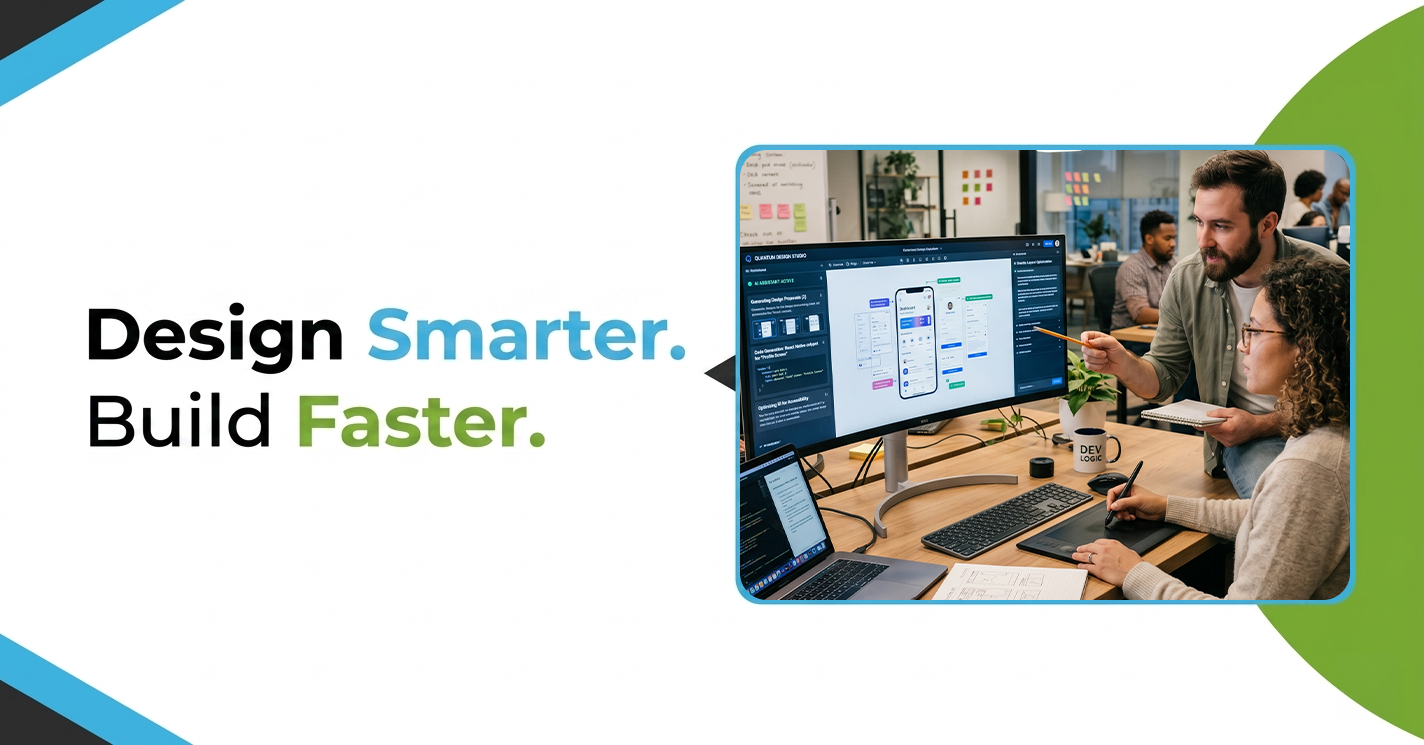
This is where generative AI and other advanced technologies can truly add value. When supported by the right culture, these tools can enhance creativity, automate repetitive tasks, and improve productivity without disrupting team dynamics.
Upskilling and Training for AI Adoption
As organisations move toward AI, the need for new skills becomes critical. Employees must understand how to work with AI systems, interpret data, and make informed decisions.
Agile organisations are better positioned to handle this shift because they already prioritize continuous learning. Structured training programs, hands-on experimentation, and collaborative learning environments help teams build confidence in using AI.
To guide this process effectively, organisations can rely on a well-defined AI strategy report that connects training efforts with business goals. Without proper direction, even the most advanced technologies may fail to deliver value.
Challenges To Consider
While agile mindsets provide a strong foundation, organisations may still face challenges when adopting AI.
Resistance to Change
Not all employees are comfortable with new technologies. Clear communication and training are essential to build trust.
Data and Quality Issues
AI systems depend on high-quality data. Poor data can lead to inaccurate outcomes.
Ethical and Governance Concerns
Organisations must ensure that AI systems are transparent, fair, and accountable.
Implementation Complexity
Successful AI implementation requires coordination across teams, tools, and processes. Without proper planning, it can become difficult to scale.
How Organisations Can Move Forward
To build AI-ready capabilities, organisations need to take a structured yet flexible approach.
They should start by identifying areas where AI can deliver real value and align those opportunities with business objectives. Encouraging collaboration between teams, investing in training, and creating an environment that supports experimentation are key steps.
Agile practices should be extended to include AI workflows, ensuring that development, testing, and deployment remain continuous and adaptive. Over time, this approach helps organisations build confidence and scale their AI initiatives effectively.
Building for the Future
The future of business lies in the ability to adapt quickly and make smarter decisions. Agile mindsets provide the foundation for this shift, helping AI-ready organisations evolve, collaborate better, and deliver more value by combining flexibility with intelligent systems.
The journey toward AI readiness is continuous, requiring organisations to keep learning, adapting, and improving over time. If you’re looking to build an AI-ready organisation, contact our team to explore how the right approach, skills, and culture can support your transformation.